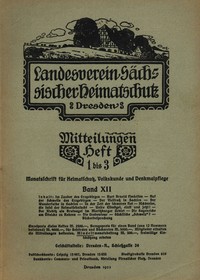
Landesverein Sächsischer Heimatschutz — Mitteilungen Band XII, Heft 1-3…
Look, I’m always hunting for books that feel alive, like they’re whispering secrets from another time. And Landesverein Sächsischer Heimatschutz — Mitteilungen Band XII, Heft 1-3…—I know the title’s a mouthful—is exactly that kind of read. It’s a compilation from the 1920s put out by this preservation society in Saxony, Germany. Think vintage magazines, but filled with heart.
The Story
At first glance, it’s just old articles: advice on building Saxon-style roofs, essays on local wildlife, and arguments about where highways dull the landscape. But as you flip through, you realize there’s a bigger, more personal story hiding between the lines. This was the Roaring 20s, and Germany was changing fast—factories, cars, skyscrapers—threatening everything old and slow. The little society printed this Bulletin as a love letter to the old ways. Readers pitched in: farmers, artists, mother hens worried that modern life might kill all the wildflowers. It’s like an intimate group chat, complete with squabbles and disagreements, all with one purpose: hold on to something precious.
Why You Should Read It
I honestly didn’t expect to be emotionally pop-up-tented by a nature preservation magazine from a century ago. But this book has soul. You see, it’s not just about saving things. It’s about identity and memory. There’s a piece on teaching kids to sing Saxon folks songs—because radio might drown them all out. Another writer angrily mourns a gone forest, pleading for the government to—I’m not kidding—rescue a haunted oak. It made me think: whittling down our heritage for ‘progress’ is the oldest game in town. Anyone who cares about climate change, gentrification, or even how we raised generation iPad will feel like these long-dead voices are talking to right now. And best part? The authors didn’t use jargon—they painted with sincere frustration and love, so it feels real and raw.
Final Verdict
This book is for you if you’re a history nerd who wants a break from text book baritones and wants whisper to slip into someone’s gossipy, worried letter. It’s also generous for artists, walkers in woods, and people fighting for old city buildings desperately. But be warned: after reading, you’ll spend multiple brisk afternoons googling ‘German rural house architecture’ and wondering if anyone saved that haunted tree. So yes, check it out—reading it my soul felt like I inherited an invisible antique, fragile and full of secret dates. Pretty cool for a book most people can’t pronounce.
This historical work is free of copyright protections. Feel free to use it for personal or commercial purposes.